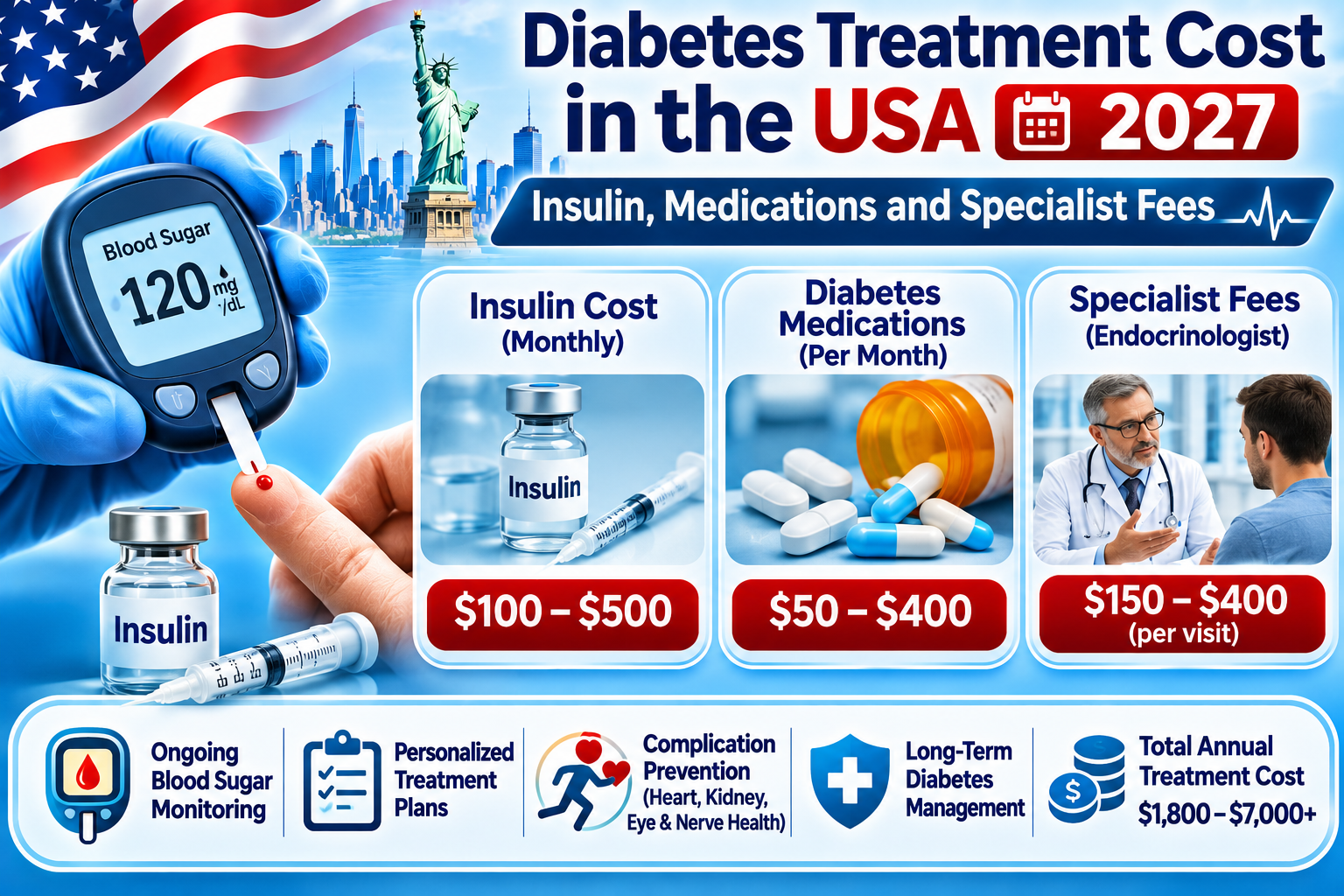
Diabetes is one of the most common chronic health conditions affecting millions of people in the United States. Managing diabetes requires regular medical appointments, blood glucose monitoring, prescription medications, and sometimes daily insulin injections. For patients and families planning healthcare expenses in 2027, understanding the cost of diabetes treatment is essential for maintaining long-term health and financial stability.
Diabetes treatment costs in the USA vary significantly depending on the type of diabetes, insurance coverage, prescribed medications, specialist consultations, and medical technology. Some patients manage their condition with affordable generic medicines, while others require insulin pumps, continuous glucose monitoring systems, and expensive newer medications.
According to federal healthcare expenditure research covering 2021 and 2022, average annual diabetes-related medical spending was approximately $5,810 per treated adult. This figure includes payments from insurers and other sources, not just patients’ personal expenses. Actual costs in 2027 may differ because of medication pricing, healthcare inflation, insurance changes, and individual treatment needs.
This detailed guide explains diabetes treatment costs in the USA in 2027, including insulin prices, oral medications, specialist fees, diagnostic testing, insurance benefits, and strategies for managing long-term healthcare expenses.
Understanding Diabetes and Its Treatment
Diabetes is a chronic metabolic condition characterized by elevated blood glucose levels. It develops when the body produces insufficient insulin, cannot use insulin effectively, or experiences both problems.
Insulin is a hormone produced by the pancreas that helps glucose enter cells, where it can be used for energy. Without appropriate treatment, prolonged high blood glucose can damage blood vessels, nerves, kidneys, eyes, and other organs.
The main categories of diabetes include:
- Type 1 diabetes: An autoimmune condition in which the body produces little or no insulin. Lifelong insulin treatment is generally necessary.
- Type 2 diabetes: A condition involving insulin resistance and, over time, inadequate insulin production. Treatment may involve lifestyle changes, oral medications, injectable medicines, or insulin.
- Gestational diabetes: Diabetes diagnosed during pregnancy that requires careful monitoring and appropriate treatment.
The financial requirements differ considerably between these categories. Treatment must be individualized according to medical needs, blood glucose patterns, other health conditions, and clinical recommendations.
Diabetes Treatment Cost in the USA in 2027
Diabetes management is generally an ongoing financial commitment rather than a single medical expense. Patients may pay for medications, monitoring equipment, consultations, laboratory tests, and preventive screening throughout the year.
Some patients spend relatively little after insurance benefits, while others face substantial expenses because of high deductibles, expensive medications, or limited prescription coverage.
The following table provides illustrative US cost ranges for budgeting in 2027. These are not confirmed national average prices or guaranteed pharmacy quotations.
Estimated Diabetes Treatment Cost Breakdown
| Treatment or Service | Estimated Cost |
|---|---|
| Primary Care Consultation | $100–$300 per visit |
| Endocrinologist Consultation | $150–$500 per visit |
| Generic Metformin | $4–$30 monthly |
| Insulin Products | $25–$300+ monthly |
| Brand-Name Diabetes Drugs | $300–$1,200+ monthly |
| HbA1c Blood Test | $20–$150 per test |
| Glucose Testing Supplies | $15–$100+ monthly |
| Continuous Glucose Monitoring | $75–$300+ monthly |
| Diabetic Eye Examination | $100–$300 per examination |
Note: These figures are approximate planning ranges for the US market. Actual prices depend on insurance, location, medication quantity, provider billing, and available discounts. Not every patient requires every service listed.
Diabetes Treatment Cost Comparison in the United States
Because the focus is the USA, comparing treatment categories within the American healthcare system provides a more relevant financial picture than comparing unrelated international healthcare prices.
The following examples illustrate how treatment intensity can influence yearly expenses.
| USA Treatment Scenario | Annual Budget |
|---|---|
| Basic Type 2 Diabetes Care | $500–$2,000 |
| Multiple Medications | $2,000–$8,000+ |
| Insulin-Based Management | $2,000–$10,000+ |
| Advanced Technology Treatment | $5,000–$15,000+ |
These are hypothetical total spending scenarios, not measured national averages or individual out-of-pocket predictions. Actual insured patients may pay substantially less, while patients with complications may incur considerably higher expenses.
Insulin Cost in the USA in 2027
Insulin is essential for people with type 1 diabetes and is also prescribed to some patients with type 2 diabetes. Its cost has historically been a major affordability concern in the United States.
Different insulin products vary by how quickly they begin working, how long their effects last, and how they are administered.
Common categories include:
- Rapid-acting insulin used around meals.
- Short-acting regular insulin.
- Intermediate-acting insulin.
- Long-acting basal insulin.
- Premixed insulin formulations.
Some manufacturers have reduced list prices for selected insulin products and introduced patient affordability programs. Nevertheless, patients may still encounter different costs depending on dosage, pharmacy, insurance status, and eligibility.
Patients requiring higher daily insulin doses may need more vials or pens each month, increasing their overall medication expenses.
Medicare Insulin Cost Protection
Under federal Medicare rules in effect during 2026, covered insulin products under Medicare Part D generally have patient cost-sharing capped at $35 for a one-month supply. Similar protection applies to qualifying insulin supplied through covered pumps under Medicare Part B.
These protections do not automatically extend to every privately insured or uninsured patient. Some states and private insurance plans provide additional affordability measures.
Patients planning expenses for 2027 should verify that these protections remain applicable to their coverage and prescribed insulin products.
Oral Diabetes Medication Costs
Oral medications are frequently prescribed for type 2 diabetes. The choice of treatment depends on blood glucose levels, kidney function, cardiovascular health, weight considerations, side effects, and other medical factors.
Metformin
Metformin is a commonly prescribed generic medication that helps reduce glucose production in the liver and improve insulin sensitivity.
Generic metformin is generally among the more affordable diabetes treatments, with some pharmacies offering low-cost monthly supplies.
Sulfonylureas
Medications such as glipizide and glimepiride encourage the pancreas to release insulin. Generic versions may be relatively inexpensive, although they can increase the risk of low blood glucose.
SGLT2 Inhibitors
SGLT2 inhibitors help the kidneys remove excess glucose through urine. Certain medications in this category also provide important heart or kidney benefits for appropriately selected patients.
Brand-name products can cost several hundred dollars monthly before insurance or discounts.
GLP-1 Receptor Agonists
GLP-1 receptor agonists can improve blood glucose control and may support weight management. Certain products also have demonstrated cardiovascular or kidney benefits in specific populations.
These medications can be expensive without insurance coverage. Patients should verify the indication, formulary restrictions, authorization requirements, and available financial assistance.
Endocrinologist and Diabetes Specialist Fees
Endocrinologists are physicians specializing in hormonal and metabolic disorders, including diabetes. Patients with complex blood glucose patterns, insulin pump requirements, pregnancy-related diabetes, or difficult treatment decisions may benefit from specialist consultation.
An initial endocrinology visit may cost approximately $150 to $500 or more before insurance adjustments, depending on the provider and services performed.
Follow-up consultations may be less expensive, although additional laboratory tests or technology reviews can increase total charges.
Other healthcare professionals involved in diabetes management may include:
- Primary care physicians.
- Certified diabetes care and education specialists.
- Registered dietitians.
- Ophthalmologists.
- Podiatrists.
- Nephrologists for kidney complications.
- Cardiologists for cardiovascular conditions.
Regular coordinated care can help patients manage diabetes more effectively and identify complications earlier.
Blood Glucose Monitoring Expenses
Blood glucose monitoring helps patients and healthcare professionals evaluate treatment effectiveness and adjust medications safely.
Traditional glucose meters require compatible testing strips and lancets. Monthly supply costs depend on how frequently testing is recommended.
Continuous glucose monitoring systems measure glucose trends throughout the day and night using wearable sensors.
These systems can provide alerts for high or low glucose levels and may be especially beneficial for people using intensive insulin therapy.
However, sensors and related supplies may increase monthly expenses without adequate insurance coverage.
Patients should discuss whether a continuous glucose monitoring system is medically appropriate and covered under their insurance benefits.
Insulin Pump Costs and Diabetes Technology
Insulin pumps deliver insulin through a wearable device and can offer flexible dosing for selected patients.
Traditional insulin pumps may involve an initial device cost of several thousand dollars before insurance coverage, followed by ongoing expenses for infusion sets, reservoirs, and other supplies.
Patch pumps use disposable components and may follow a different pricing structure.
Some advanced systems combine insulin delivery with continuous glucose monitoring to automate portions of insulin dosing.
Insurance plans may cover eligible equipment through pharmacy benefits or durable medical equipment benefits.
Patients should compare device costs, recurring supplies, training requirements, warranty conditions, and insurance coverage before choosing a system.
Diabetes Treatment Cost With Health Insurance
Health insurance can substantially reduce the direct cost of diabetes treatment. However, patients may still be responsible for deductibles, copayments, coinsurance, and noncovered services.
Insurance benefits vary between employer-sponsored plans, individual marketplace policies, Medicare, and Medicaid.
Important coverage considerations include:
- Whether prescribed medications appear on the plan formulary.
- Preferred pharmacies and medication tiers.
- Coverage for insulin pumps and glucose sensors.
- Specialist consultation copayments.
- Annual deductibles and out-of-pocket limits.
- Prior authorization requirements.
- Coverage for diabetes education and nutrition counseling.
Patients should review their insurance plan annually because formularies, preferred products, and cost-sharing arrangements can change.
Diabetes Treatment Without Insurance
Uninsured individuals may face greater financial uncertainty when purchasing diabetes medications, supplies, and medical services.
Some generic medications are relatively affordable, but insulin, newer branded treatments, and advanced monitoring technology can create substantial monthly expenses.
Potential assistance options include manufacturer affordability programs, community health centers, nonprofit assistance programs, and qualifying pharmacy discount arrangements.
Eligibility requirements differ, and certain programs exclude patients with specific types of insurance.
Patients should consult healthcare professionals before changing medications to lower-cost alternatives. Different insulin formulations are not always interchangeable without adjustments and clinical supervision.
Factors Influencing Diabetes Treatment Prices
1. Type and Severity of Diabetes
Patients with type 1 diabetes generally require lifelong insulin treatment, while some individuals with type 2 diabetes can initially manage their condition with less expensive medications.
Patients experiencing difficult glucose control or additional medical conditions may require more intensive care.
2. Prescription Medication Selection
Generic medicines often cost less than newer brand-name treatments. However, medication selection must consider clinical effectiveness, safety, and individual health needs.
3. Insurance and Pharmacy Benefits
Negotiated prices, medication tiers, deductibles, and pharmacy networks can significantly affect patient expenses.
4. Healthcare Provider Location
Consultation and laboratory fees differ between regions, hospital systems, independent clinics, and outpatient facilities.
5. Medical Technology
Continuous glucose monitoring and insulin pump systems may improve management for eligible patients but can add recurring supply costs.
6. Diabetes Complications
Kidney disease, cardiovascular conditions, neuropathy, vision problems, and diabetic foot complications may require additional specialists, medications, procedures, or hospitalization.
Hospitalization and Emergency Diabetes Care Costs
Diabetes-related emergencies can create significant unexpected expenses. Severe hypoglycemia, diabetic ketoacidosis, and hyperosmolar hyperglycemic state may require emergency evaluation or hospitalization.
Hospital expenses can include laboratory testing, intravenous treatment, specialist consultations, medications, and intensive monitoring.
Federal healthcare expenditure research covering 2021 and 2022 found that among adults hospitalized for diabetes-related treatment, average annual inpatient spending was approximately $15,380.
This historical amount is not a prediction for any individual hospitalization in 2027.
Appropriate medication use, regular follow-up, and early management of concerning symptoms can help reduce certain preventable complications.
Long-Term Diabetes Complication Costs
Diabetes management involves more than controlling daily glucose readings. Long-term care also focuses on protecting the heart, kidneys, eyes, nerves, and feet.
Recommended preventive services may include kidney function tests, urine albumin testing, retinal examinations, blood pressure monitoring, cholesterol evaluation, and comprehensive foot assessments.
Patients with advanced complications may require expensive treatments such as dialysis, specialized wound care, eye procedures, or cardiovascular interventions.
Preventive care is therefore an important component of both medical management and long-term financial planning.
How to Reduce Diabetes Treatment Costs
Patients may be able to manage healthcare expenses through informed treatment planning and available affordability resources.
- Ask healthcare providers about appropriate generic medication options.
- Compare prices at participating pharmacies.
- Review insurance formularies before changing plans.
- Investigate eligible manufacturer assistance programs.
- Confirm coverage for glucose monitoring supplies.
- Use recommended preventive healthcare services.
- Discuss affordable medication alternatives with clinicians.
- Request clear estimates for specialist consultations.
- Consider community health centers when eligible.
- Maintain consistent medical follow-up to identify problems early.
Patients should never ration insulin, discontinue prescribed medication, or skip necessary treatment without professional medical guidance. Dangerous blood glucose changes can result from inappropriate medication adjustments.
Planning an Annual Diabetes Healthcare Budget
Creating an annual healthcare budget can help patients anticipate recurring expenses and avoid unexpected financial pressure.
A useful budget should include prescription medications, glucose monitoring supplies, medical appointments, laboratory tests, insurance premiums, deductibles, and emergency savings.
Patients using insulin pumps or continuous glucose monitoring should also consider equipment replacement schedules and recurring supplies.
Insurance premiums should be calculated separately from direct medical expenses to avoid confusion between healthcare spending and out-of-pocket treatment costs.
Reviewing actual pharmacy receipts and insurance statements can provide a more accurate financial picture than relying only on advertised medication prices.
Frequently Asked Questions
How much does diabetes treatment cost in the USA in 2027?
Costs vary widely. Federal research reported average annual diabetes treatment spending of approximately $5,810 per treated adult in 2021–2022. Actual 2027 expenses depend on medications, technology, medical services, and insurance coverage.
How much does insulin cost per month?
Insulin expenses depend on the product, prescribed dose, insurance, and affordability programs. Eligible Medicare beneficiaries generally have a $35 monthly cost-sharing cap for covered insulin under rules in effect during 2026.
Is diabetes treatment covered by insurance?
Many comprehensive insurance plans cover diabetes consultations, medications, laboratory testing, and qualifying medical equipment, subject to plan-specific requirements.
Are generic diabetes medications cheaper?
Generic medications such as metformin are often considerably less expensive than newer brand-name treatments. However, not every medicine is appropriate for every patient.
How often should diabetes patients visit a specialist?
Appointment frequency depends on blood glucose control, treatment complexity, complications, and individual medical needs. A healthcare professional can recommend an appropriate schedule.
Can diabetes treatment costs be reduced?
Yes. Patients may benefit from appropriate generic medications, insurance optimization, pharmacy comparisons, financial assistance, and recommended preventive care.
Conclusion
Diabetes treatment costs in the USA in 2027 depend on multiple factors, including insulin requirements, prescription medications, specialist fees, diagnostic testing, monitoring equipment, and insurance coverage.
Some patients can manage their condition with relatively affordable generic medications, while others require advanced technology and expensive long-term therapies.
Understanding insurance benefits, comparing appropriate medication options, planning recurring expenses, and maintaining regular medical care can help reduce financial uncertainty.
Most importantly, diabetes treatment decisions should prioritize safe blood glucose management, prevention of complications, and individualized medical recommendations rather than medication price alone.
Medical Disclaimer: This article is intended for general educational and financial planning purposes only. It does not replace professional medical advice, diagnosis, or treatment. The 2027 cost figures are estimates rather than guaranteed prices. Patients should confirm medication costs, insurance benefits, and treatment decisions with qualified healthcare professionals and insurers.
